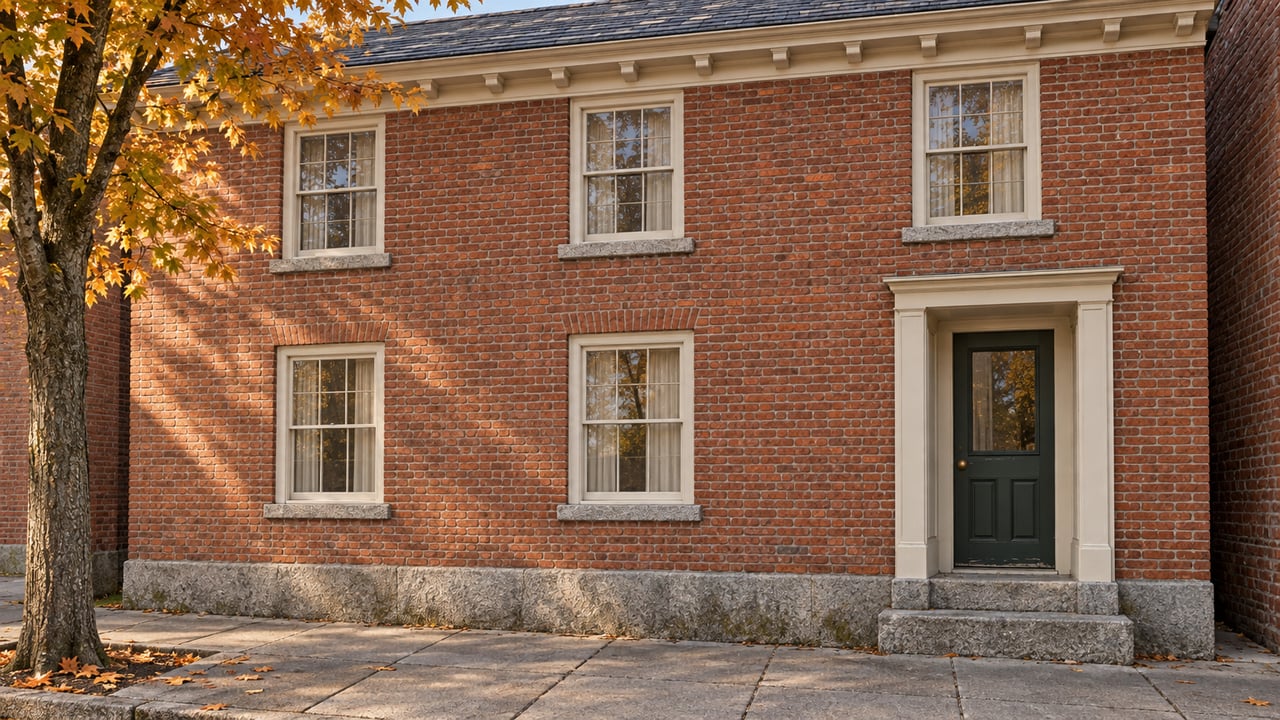
If you’re thinking about buying a home in Vermont, understanding Vermont property taxes should be part of your budget planning from the beginning.
Property taxes can vary significantly depending on the town, property value, school district, and whether the property qualifies as a homestead. For buyers moving to Vermont, these differences can make one home more affordable than another even when their purchase prices are similar.
This guide explains how Vermont property taxes work, what affects your tax bill, and what buyers should check before purchasing a Vermont property.
How Do Vermont Property Taxes Work?
Vermont property taxes help fund local services and education. The amount you pay depends on factors such as your property’s assessed value, local education spending, municipal taxes, and the property’s tax classification.
For education property taxes, Vermont generally distinguishes between homestead and nonhomestead properties. A primary residence occupied by a Vermont resident may qualify as a homestead, while second homes, vacation properties, and many rental or commercial properties are generally treated as nonhomestead.
Your total property tax bill can therefore look very different from another home in Vermont, even if the two properties have similar sale prices.
Key Takeaways for Vermont Home Buyers
- Property taxes vary by town and school district.
- Vermont uses different education tax rates for homestead and nonhomestead properties.
- A primary Vermont residence may qualify for homestead classification.
- Second homes and many rental properties are generally considered nonhomestead.
- The Common Level of Appraisal, or CLA, can affect the education tax rate.
- Property taxes should be included when calculating your monthly housing budget.
- Buyers should review the actual property tax history before making an offer.
How Are Vermont Property Taxes Calculated?
Vermont property taxes are not based on one statewide percentage applied equally to every home.
Your bill is influenced by the property’s assessed value and the tax rates that apply to the municipality and education system.
Local spending also matters. Communities with different budgets, services, and school spending can have different tax rates.
Another important factor is the Common Level of Appraisal (CLA). The CLA helps account for differences between listed property values and current market sale prices within a municipality. It can affect the education property tax rate used in a town.
For buyers, the practical takeaway is simple: don’t estimate your future tax bill using a statewide average alone.
When you’re seriously considering a property, look at the actual tax history for that home and confirm the current rate with the town.
What Is the Difference Between Homestead and Nonhomestead Property?
This distinction is especially important if you’re buying a Vermont property.
A homestead generally refers to your principal dwelling and surrounding land when you own and occupy the property as your Vermont domicile.
Vermont requires eligible homeowners to file a Homestead Declaration each year. The declaration helps determine whether the property receives the homestead education property tax treatment.
You can review the current requirements and filing information directly through the Vermont Department of Taxes Homestead Declaration page.
Nonhomestead property can include:
- Second homes
- Vacation homes
- Camps and summer cottages
- Properties used exclusively for commercial purposes
- Certain rental properties
A property can also have both homestead and nonhomestead portions in certain situations, such as when part of the property is used for rental or commercial purposes.
If you’re purchasing a home that you plan to use as your primary residence, make sure you understand how its current classification may change after the purchase.
Are Vermont Property Taxes High?
Compared with many states, Vermont’s property taxes are relatively high.
The Tax Foundation’s 2026 Vermont tax data reports an effective property tax rate of 1.51% of owner-occupied housing value, based on 2024 data. Vermont ranked fourth among states in that comparison.
For comparison, New York’s effective rate was 1.30% using the same methodology and year.
These figures are useful for understanding the broader tax environment, but they are not the rate you should expect to pay on a specific Vermont home.
Actual property taxes vary by town, school district, property value, and other local factors.
That’s why buyers should use statewide numbers as a reference point rather than as a substitute for reviewing the property’s actual tax bill.
What Is the Average Property Tax in Vermont?
There isn’t one property tax bill that represents every Vermont homeowner.
For a useful statewide benchmark, the Tax Foundation’s 2026 data puts Vermont’s effective property tax rate at 1.51% of owner-occupied housing value, using 2024 data.
However, an effective statewide rate is different from a property’s actual tax rate.
For example, two homes with similar purchase prices can have different annual property tax bills because they may be located in different municipalities or school districts.
The property may also have a different assessment history or tax classification.
If you’re comparing homes, the actual tax bill attached to each property is much more useful than simply multiplying the purchase price by 1.51%.
Why Do Property Taxes Vary by Town in Vermont?
Vermont property taxes can change considerably from one community to another.
Local education spending is one reason. Municipal budgets, services, assessed values, and school district costs can also affect what homeowners pay.
This matters when you’re comparing different Vermont communities.
For example, someone considering Burlington, Stowe, Manchester, Essex Junction, or a smaller rural community should not assume that the same purchase price will produce the same property tax bill.
If you’re still deciding where to live, our guide to the Best Places to Live in Vermont can help you compare communities based on lifestyle, location, and other factors.
Property taxes should be one part of that comparison.
What Does the Common Level of Appraisal Mean for Vermont Buyers?
The Common Level of Appraisal, commonly called the CLA, can be confusing for buyers.
The CLA is used to help adjust for differences between a municipality’s listed property values and the prices properties are actually selling for.
It does not mean that your home’s market value is automatically changed by the CLA.
Instead, it plays a role in determining the education property tax rate.
This is one reason you shouldn’t look at a home’s assessed value alone and assume you know exactly what the future tax bill will be.
When evaluating a Vermont property, review the current tax bill and ask questions about the property’s assessment and applicable tax rates.
Do Non-Residents Pay Vermont Property Taxes?
Yes.
Owning property in Vermont generally means you are responsible for the applicable property taxes, even if Vermont is not your primary residence.
This is especially important for buyers purchasing:
- A vacation home
- A second home
- An investment property
- A rental property
- Other nonhomestead property
Nonhomestead properties are subject to a different education property tax treatment than qualifying homesteads.
If you’re buying a Vermont property as a second home, don’t assume your tax situation will be the same as someone purchasing a primary residence.
Are Vermont Property Taxes Going Up?
Property taxes can change from year to year.
Changes in local budgets, education spending, property assessments, and state tax policies can all affect what homeowners ultimately pay.
For that reason, buyers should avoid assuming that the current tax bill will remain unchanged throughout their ownership.
If you’re purchasing a home, review recent tax bills and ask your real estate professional or the municipality about any known changes that could affect future taxes.
For current state-level information, the Vermont Department of Taxes provides updated property tax resources and education property tax information.
How Should Property Taxes Affect Your Home-Buying Budget?
Property taxes should be included in your housing budget alongside your mortgage, homeowners insurance, maintenance, and other ownership costs.
For example, a home with a slightly lower purchase price isn’t necessarily the better financial choice if it carries significantly higher annual property taxes.
When comparing properties, look at the estimated total monthly cost rather than the listing price alone.
Your budget should account for:
- Mortgage principal and interest
- Property taxes
- Homeowners insurance
- Utilities
- Maintenance and repairs
- Potential HOA fees
- Closing and other ownership costs
If you’re still researching the overall cost of owning a home in the state, our Cost of Living in Vermont guide provides additional context for housing and everyday expenses.
What Should You Check Before Buying a Vermont Home?
Before making an offer, take a close look at the property’s current tax situation.
Here are several questions worth asking:
1. What is the current annual property tax?
Don’t rely only on a listing estimate. Review the actual tax bill when possible.
2. Is the property currently classified as homestead or nonhomestead?
This can be particularly important if you’re purchasing a property that has been used as a second home or rental.
3. Could the property’s classification change?
Your intended use of the property matters.
A buyer purchasing a vacation property may have a different tax situation from someone making the home their Vermont primary residence.
4. What is the property’s assessment history?
Look at previous assessments and tax bills to understand how the property’s taxes have changed.
5. How does the tax bill compare with nearby properties?
Comparing similar homes in the same community can help you identify whether the property’s taxes appear unusually high or low.
What Should Buyers Know About Property Taxes Before Making an Offer?
Property taxes are easy to overlook when you’re focused on finding the right home.
However, they can have a meaningful impact on your long-term ownership costs.
When comparing two homes, don’t look only at their asking prices. Compare their property taxes, location, condition, potential maintenance needs, and overall monthly cost.
This becomes especially important when comparing properties in different Vermont communities.
If you’re preparing to buy, our guide to Buying a Home in Vermont walks through the broader home-buying process, from budgeting and preapproval to inspections, offers, and closing.
Ready to Buy a Home in Vermont?
Understanding Vermont property taxes can make it easier to compare homes and build a realistic home-buying budget.
If you’re looking for a primary residence, second home, or investment property, the tax implications can be different depending on the property and how you plan to use it.
At Edge Realty Vermont, we help buyers look beyond the listing price and consider the bigger picture when evaluating Vermont properties.
If you’re ready to start your search, explore available Vermont homes and connect with our team to discuss which communities and properties may fit your goals.